Airport transfers to and from Maastricht - Professional taxi and transfer service 24/7
We connect Maastricht with Brussels, Düsseldorf, Eindhoven and many other airports in the region
Welcome to the Heart of Europe: Why Groups Flying into Maastricht Choose Private Airport Transfers
2026-03-15 | TRAVEL GUIDE
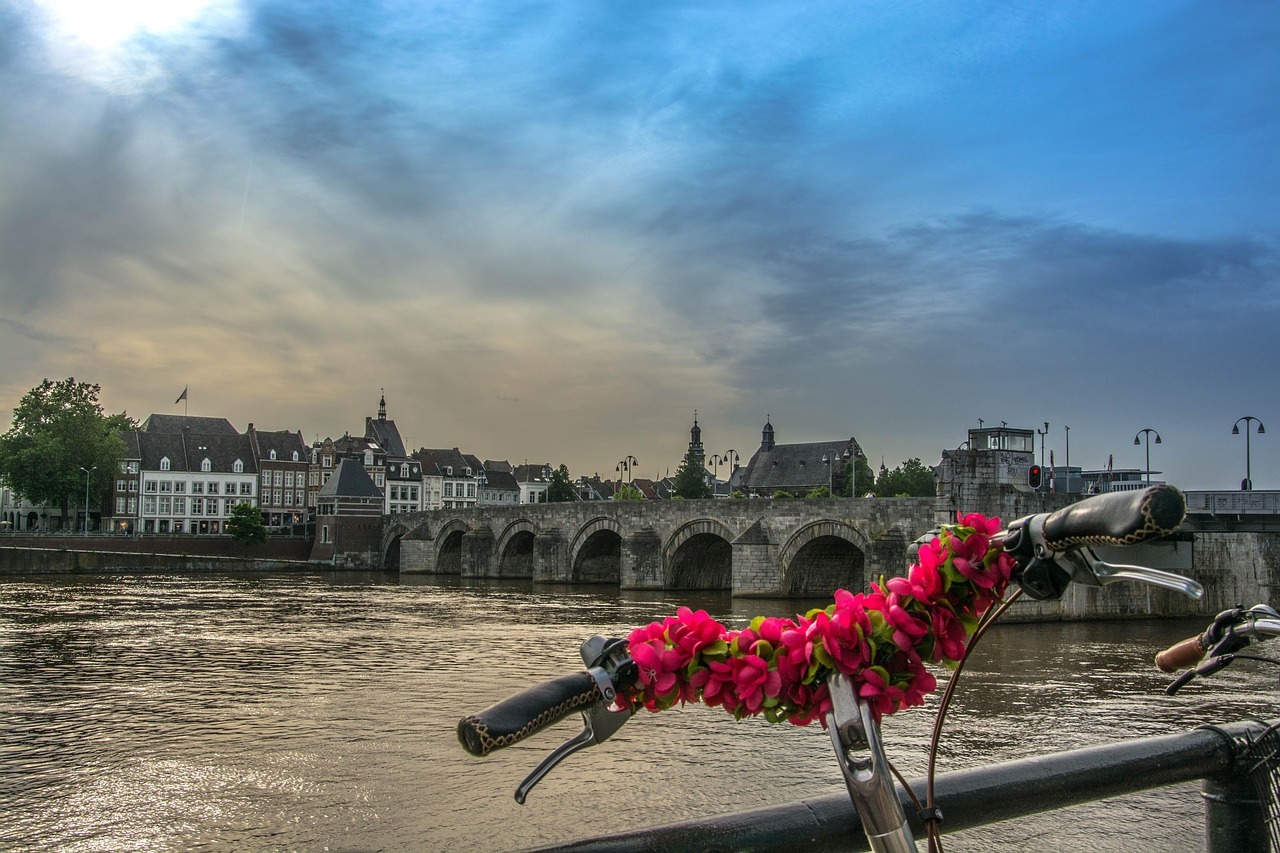
Maastricht is one of Europe's best-kept secrets — a city of extraordinary medieval architecture, world-class art, Burgundian food culture, and a position at the crossroads of the Netherlands, Belgium, and Germany that makes it one of the most strategically perfect bases for European exploration. Here is why a private transfer with MaastrichtTransfer is the best first decision any group can make.
There is a particular kind of European destination that travel insiders have known about for years while the wider world catches up. A city that lacks the overwhelming tourist infrastructure of Amsterdam or Paris, that has not yet been consumed by the stag party circuit that has complicated so many beautiful European old towns, and that offers a quality of experience — in its architecture, its food, its art, its atmosphere — that fully rivals cities ten times its size and international profile.
Maastricht is that city. And Maastricht Airport — the compact, efficient regional airport serving the southern Netherlands and the broader Meuse-Rhine Euroregion — is the gateway that brings groups from across Europe directly into its orbit.
From London Stansted, the flight takes just over an hour. From Barcelona, under two and a half hours. From Rome, under two hours. From Madrid, two hours and twenty minutes. The low-cost carriers operating from Maastricht Airport have made this extraordinary corner of Europe accessible to group travellers who might previously have routed through Amsterdam or Brussels and spent half a day travelling south. Now, the arrival is direct — and the experience begins immediately.
For groups who have made the smart decision to fly into Maastricht rather than a larger hub, MaastrichtTransfer is the equally smart decision that ensures the journey from the airport to the city and beyond is handled with the same quality and care that the destination itself delivers.
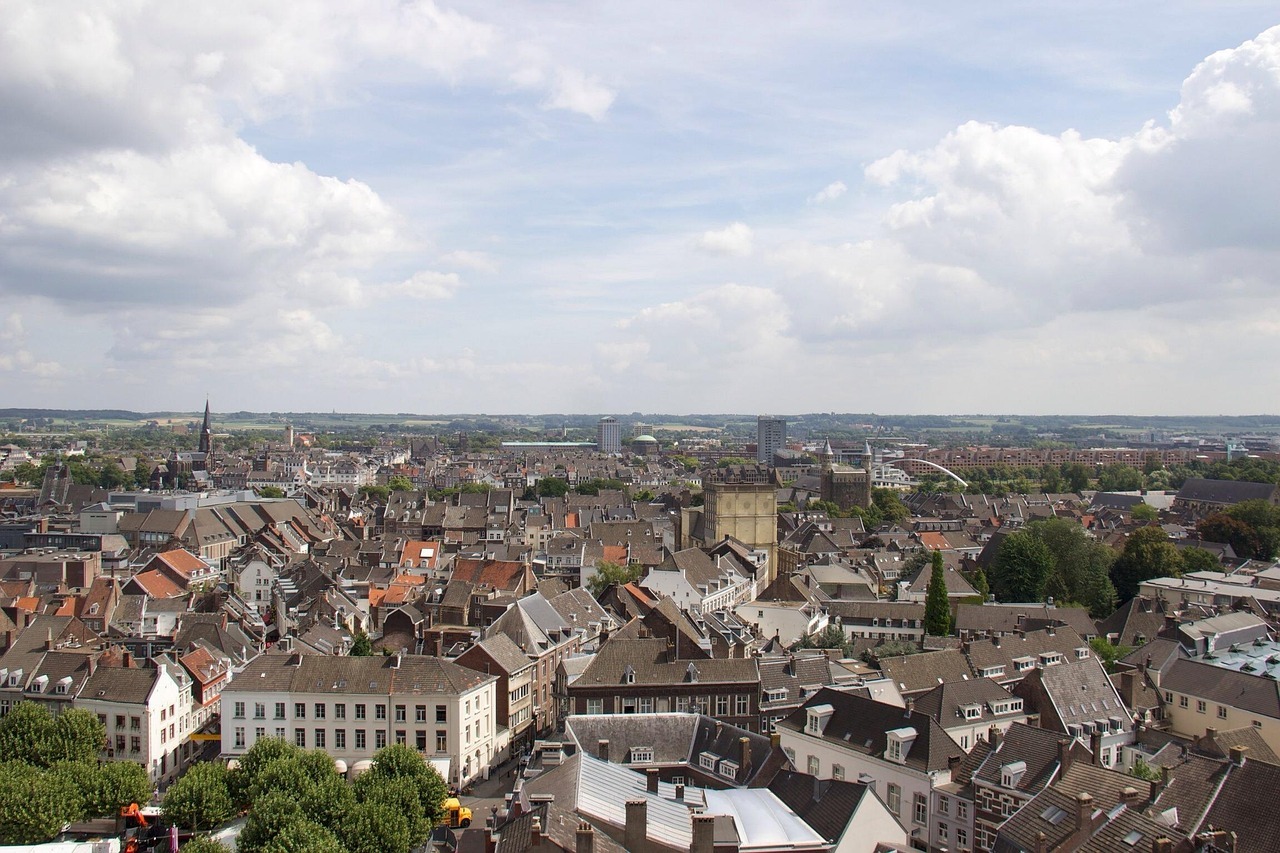
Why Maastricht Is One of Europe's Most Rewarding Group Destinations
Before addressing the practicalities of the transfer, it is worth understanding what makes Maastricht such a compelling destination for groups — because the richness and variety of what the city and its region offer helps explain why arriving well, and starting efficiently, matters so much.
A City That Rewrites Expectations
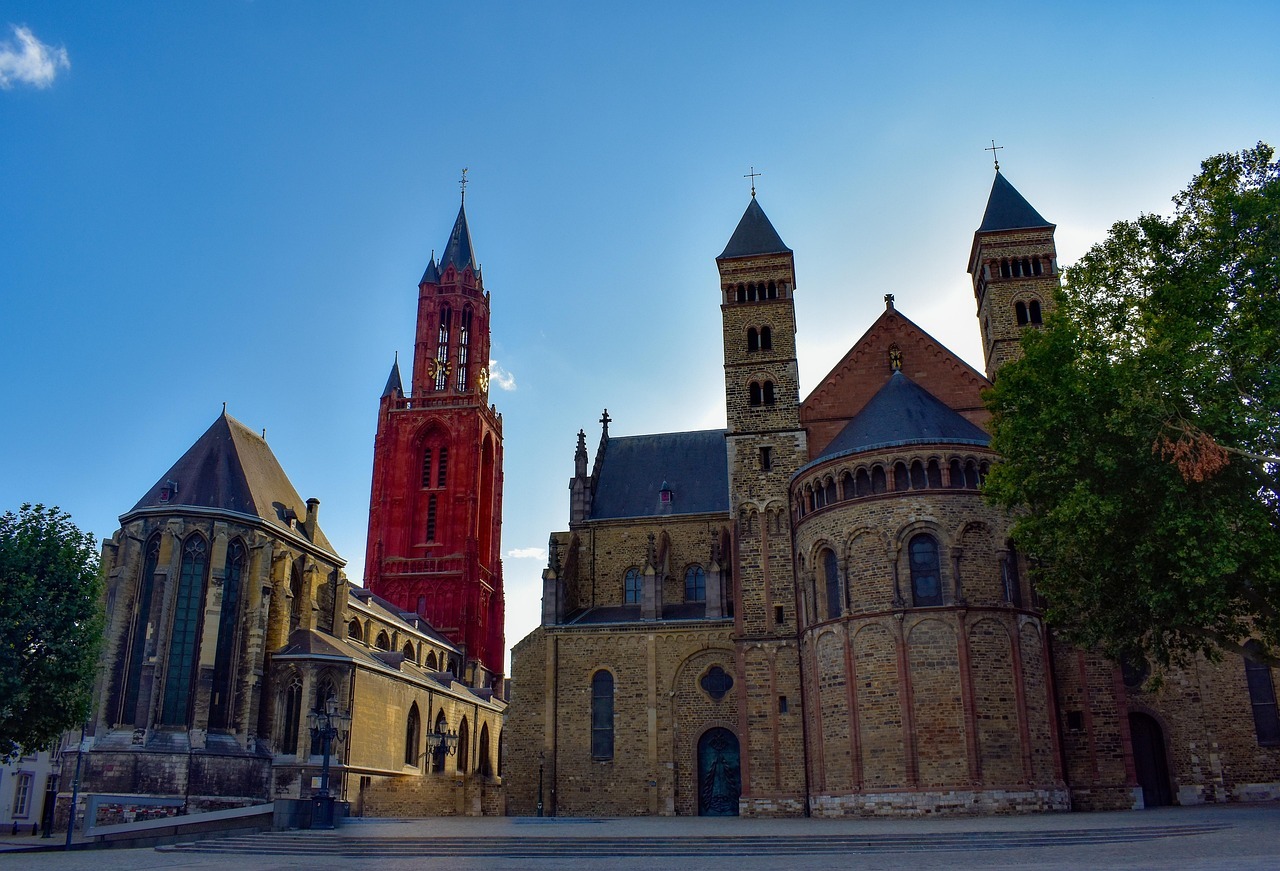
Maastricht sits in the very south of the Netherlands, in the province of Limburg, where the country narrows to a thin strip of land between Belgium and Germany. This geographical reality has shaped everything about the city — its architecture, its cuisine, its culture, and its atmosphere are all distinctly different from the Netherlands of Amsterdam and Rotterdam. Maastricht feels more Burgundian than Dutch, more Mediterranean in its pace and its pleasures than the Protestant north of the country. The café terraces on the Vrijthof square — one of the largest and most beautiful public squares in the Netherlands — fill on warm evenings with a social energy that owes more to Belgium and France than to Holland.
The city's medieval heritage is extraordinary. The Basilica of Saint Servatius on the Vrijthof dates to the eleventh century and is the oldest church in the Netherlands. The Basilica of Our Lady in the nearby Onze-Lieve-Vrouweplein square is a Romanesque masterpiece of the eleventh and twelfth centuries. The city walls, the gatehouses, and the underground tunnel network — the North Caves beneath Saint Peter's Hill — preserve a medieval urban landscape of remarkable completeness for a city of Maastricht's size.
TEFAF and the Art World's Favourite City
Maastricht has an international reputation that exceeds its modest size in one specific and remarkable domain: the art market. The TEFAF Maastricht fair — held annually in March in the MECC Maastricht convention centre — is widely regarded as the world's most important art and antiques fair, drawing dealers, collectors, and art world professionals from every continent. During TEFAF week, Maastricht becomes the temporary capital of the international art market, and the city's hotels, restaurants, and transport infrastructure serve a uniquely sophisticated international clientele.
For groups visiting outside TEFAF, the art world infrastructure that the fair has built around the city — the galleries, the museums, the auction houses, the art-focused hotels and restaurants — remains as a permanent enhancement of the cultural offer. The Bonnefantenmuseum, Maastricht's principal art museum, is one of the finest in the Netherlands — its collection of early Italian and Flemish paintings and its programme of contemporary art exhibitions make it a destination in its own right.
The Bookshop That Has Become a Pilgrimage
No description of Maastricht's cultural attractions is complete without Boekhandel Dominicanen — the famous bookshop housed in a converted thirteenth-century Dominican church on the Dominicanenkerkstraat. Regularly cited as one of the most beautiful bookshops in the world, it is the kind of destination that group visitors photograph extensively, explore slowly, and remember permanently. For groups with a cultural itinerary, it is an unmissable stop — combining architectural grandeur with the particular pleasure of browsing excellent books in an extraordinary space.
Food, Wine, and the Burgundian Tradition
Maastricht takes food seriously in a way that distinguishes it from most Dutch cities. The Burgundian influence — shared with the Belgian and French regions immediately across the border — means that the restaurant culture is both more ambitious and more pleasure-oriented than the Dutch national norm. The Wyck district, the neighbourhood on the east bank of the Meuse directly across from the old city, is particularly rich in independent restaurants, wine bars, and specialist food shops that reward groups with a serious interest in eating and drinking well.
The local beer culture, the Limburg specialities — the vlaai fruit tart, the zuurvlees sweet-and-sour meat stew, the white asparagus in season — and the accessibility of Belgian and French wines at prices that reflect the border geography make Maastricht one of the most rewarding food destinations in the Benelux region.
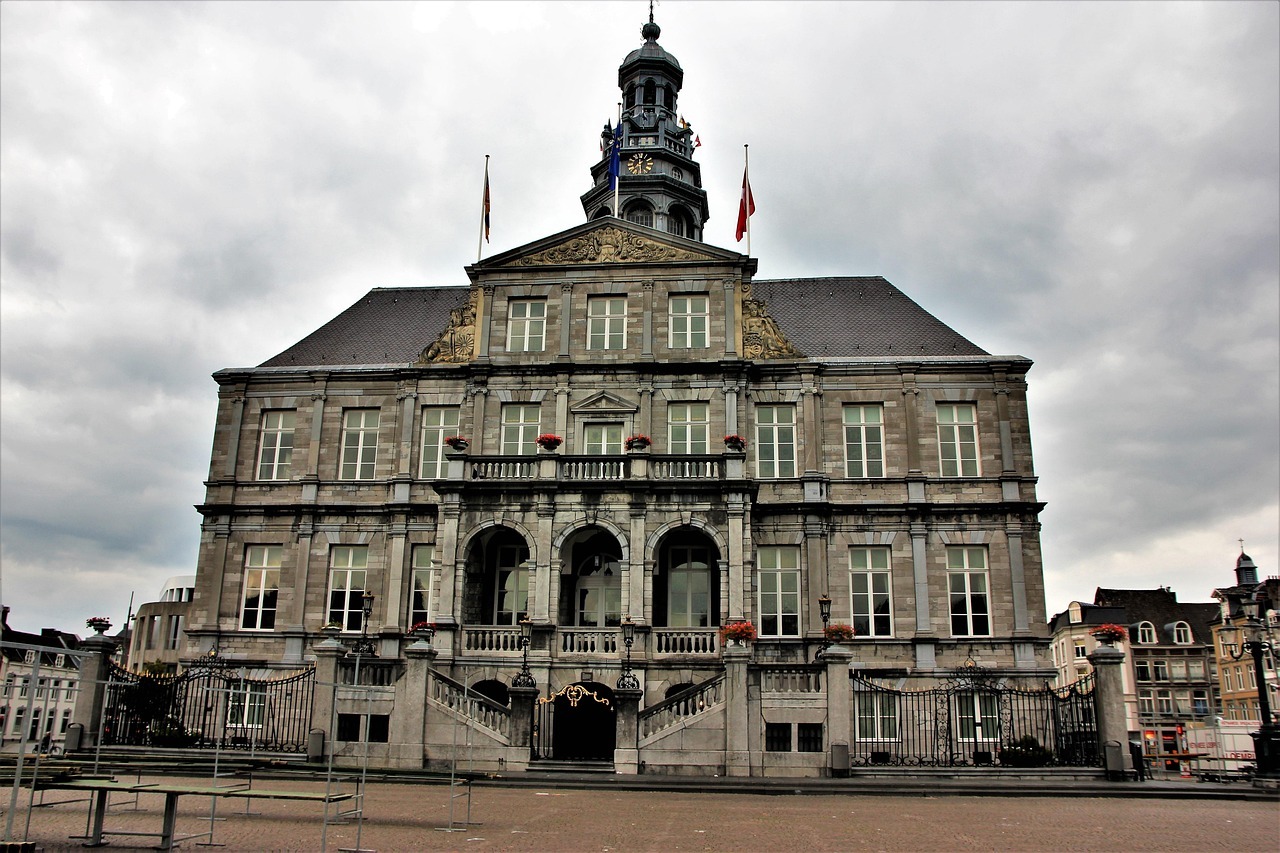
The Maastricht Region: A Crossroads of Three Countries
One of Maastricht's most powerful attractions for groups is its position at the heart of the Meuse-Rhine Euroregion — a geographical reality that puts Belgium, Germany, and the Netherlands all within easy reach of a city centre base.
Aachen: Imperial History Thirty Minutes Away
Aachen, the German city thirty kilometres east of Maastricht, is one of the most historically significant cities in Northern Europe — Charlemagne's capital, the coronation city of thirty German kings, and home to the Aachen Cathedral that is one of the oldest UNESCO World Heritage Sites in Germany. The cathedral's Carolingian octagon, built in the late eighth century, and the medieval treasury it contains — including the throne of Charlemagne and relics of extraordinary historical significance — provide a morning of genuine historical depth that groups based in Maastricht can access with ease.
For groups combining Maastricht and Aachen in a single itinerary, MaastrichtTransfer can arrange the cross-border transfer efficiently — a thirty-minute drive through the flat landscape of the Meuse valley and into the Aachen basin.
Liège: Belgium's Industrial Capital and Its Surprising Charms
Liège, the Belgian city approximately thirty kilometres southwest of Maastricht, offers groups a completely different experience from the polished medievalism of Maastricht itself. Liège is a post-industrial city of genuine character — its Sunday market on the Batte quayside along the Meuse is one of the largest and most atmospheric markets in Belgium, and its Walloon culture, its music scene, and its Citadelle overlooking the city provide a day's exploration of real substance.
The Liège-Guillemins railway station, designed by Santiago Calatrava and completed in 2009, is one of the most architecturally remarkable railway stations in Europe — a cathedral of steel and glass that is worth the visit independently of anything else Liège offers.
Valkenburg: Caves, Castles, and Christmas Markets
Valkenburg aan de Geul, a small town fifteen kilometres east of Maastricht in the rolling hills of South Limburg, is one of the most distinctive destinations in the Netherlands. The Valkenburg Castle ruins on the hill above the town, the network of marlstone caves beneath it — including the remarkable cave where a Christmas market is held annually underground — and the picturesque valley setting make Valkenburg a half-day excursion of real charm for groups visiting the Maastricht region.
The Three-Country Point: Where the Borders Meet
The Drielandenpunt — the Three-Country Point where the Netherlands, Belgium, and Germany meet on the Vaalserberg hill, the highest point in the Netherlands — is a genuinely unique geographical curiosity and a popular excursion for groups visiting Maastricht. Standing at the point where three countries converge, able to step between national territories in a matter of seconds, is one of those travel experiences that produces both photographs and genuine reflection on the nature of European borders and the project of European integration that Maastricht, as the city where the Maastricht Treaty was signed in 1992, represents in a particularly direct way.
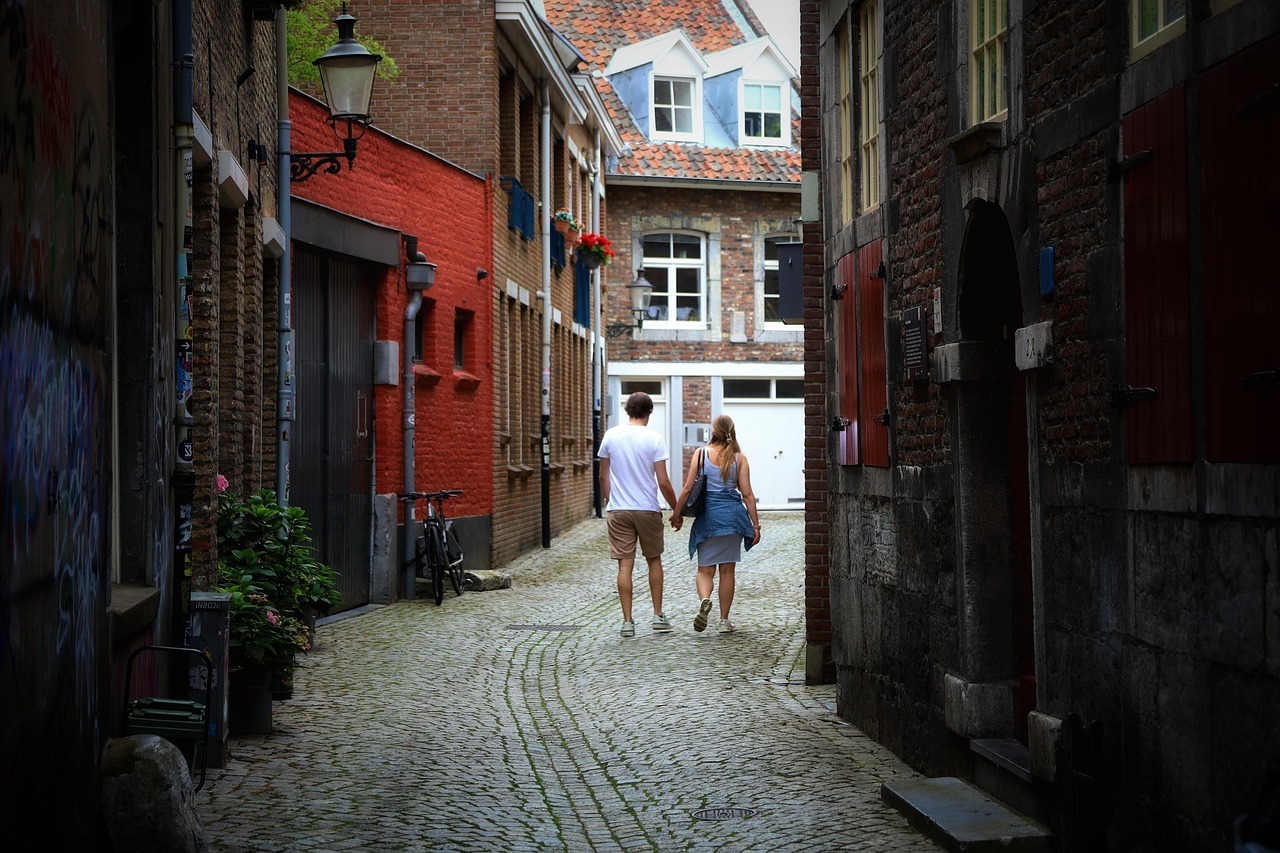
Why Private Group Transfer with MaastrichtTransfer Is the Right Choice
For groups arriving at Maastricht Airport — whether for a weekend city break, a longer regional exploration, a corporate event, or a cultural tour — the transfer from the airport to the city and its surroundings is the first experience of the region. Here is why private transfer with MaastrichtTransfer is consistently the right choice.
Maastricht Airport's Location and What It Means for Groups
Maastricht Aachen Airport is located in Beek, approximately twelve kilometres north of Maastricht city centre. The airport is compact, efficient, and easy to navigate — qualities that make the arrival experience pleasant. But the twelve kilometres between the airport and the city, and the further distances to destinations like Aachen, Liège, or Valkenburg, require transport that is arranged rather than improvised. Public transport connections from the airport to the city are limited compared to major international hubs, and for a group of eight or twelve people with luggage, the taxi-and-bus combination is both logistically complex and economically inefficient.
A MaastrichtTransfer private minivan takes the group directly from the arrivals hall to their hotel, their accommodation, or their first destination — door to door, without connections, without the management challenge of navigating an unfamiliar regional transport network.
Keeping the Group Together: The Social Argument
Group travel has a social logic that individual travel does not. The group is a unit — it makes plans together, it experiences things together, and the shared experience of being in a new place is itself a significant part of the value of the trip. The moment a group splits into multiple taxis or is distributed across a bus and a taxi rank, the coherence of that unit takes a hit that takes time to recover.
A MaastrichtTransfer private minivan keeps the entire group together from the moment they clear arrivals. The conversation — the excitement about the plan, the debate about the first stop, the energy of a group of friends or colleagues beginning a trip they have been looking forward to — happens in the vehicle, collectively. The weekend starts as a shared experience rather than a logistical exercise to be completed before the real trip can begin.
The Organiser's Peace of Mind
Every group has the person who made the booking, coordinated the logistics, and is the point of contact when anything needs to change. For that person — whether they are a tour leader, a travel coordinator, a teacher, or simply the friend who always ends up organising everything — a pre-booked MaastrichtTransfer with confirmed vehicle details, a professional driver tracking the incoming flight, and fixed pricing that matches the budget is an enormous reduction in the stress that group travel logistics routinely produce.
Fixed Pricing for Group Budgets
Groups travelling on shared budgets — whether a school trip, a corporate event, a club outing, or a group of friends splitting costs — need transport pricing that is known in advance, consistent with what was planned, and free of the supplementary charges that airport taxi services occasionally produce. MaastrichtTransfer provides fixed, pre-agreed pricing for all group transfers. The cost is known before the group lands, communicable to all members in advance, and reconcilable after the trip without surprises.
For groups where the per-person cost has been calculated and agreed, the certainty of a fixed transfer price is not a minor convenience — it is a fundamental aspect of the service that experienced group travel organisers specifically seek out.
Flight Monitoring for Reliable Pickups
Budget airline flights into Maastricht Airport carry the delay risk that low-cost aviation reliably produces. MaastrichtTransfer monitors incoming flights from departure and adjusts pickup timing accordingly. Whether the group lands on schedule or ninety minutes late, the driver is waiting in arrivals — professional, composed, and ready with the group's name displayed. For a group organiser who has coordinated a dozen people's travel plans and is responsible for making the arrival work smoothly, this flight monitoring reliability is worth more than any vehicle upgrade.
The First Impression of the Region
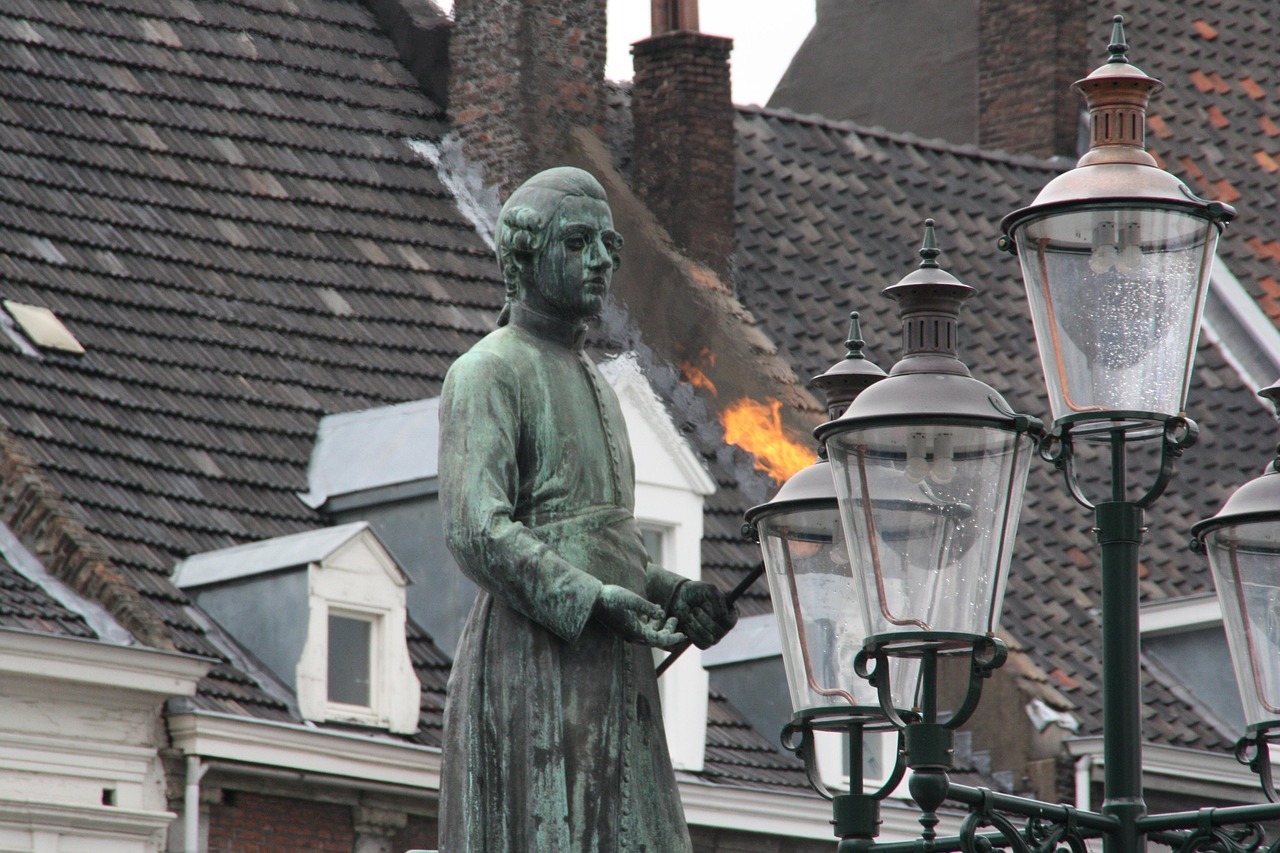
Maastricht and its surroundings are, for most groups arriving at the airport, unknown territory — a part of Europe they may be visiting for the first time, in a region whose geography and character they are only beginning to understand. A MaastrichtTransfer driver who knows the area intimately — who can point out the limestone hills of South Limburg appearing above the flat agricultural landscape as the vehicle approaches the city, who can confirm the best approach to the Vrijthof, who knows the specific entrance to the hotel or apartment complex in the Wyck district — provides the informal orientation that transforms an arrival from a navigation exercise into the beginning of genuine discovery.
Planning Your Group Transfer from Maastricht Airport: Key Points
Book Early for Peak Season Confidence
Maastricht's event calendar — TEFAF in March, the Christmas season, the summer festival programme — produces significant peaks in demand for group transport from the airport. Booking a MaastrichtTransfer group transfer well in advance of the travel date, once flight details are confirmed, guarantees the right vehicle configuration and removes transport uncertainty from the pre-trip planning picture.
Provide Accurate Information for the Right Vehicle
Group size and luggage volume determine the vehicle configuration needed. A weekend city break group of eight with small bags travels differently from a twelve-person group on a longer itinerary with full luggage. Accurate information at the time of booking ensures the right vehicles are arranged, with adequate space for everyone and everything, and no complications on arrival day.
Consider the Multi-Destination Itinerary
Groups visiting Maastricht who plan excursions to Aachen, Liège, Valkenburg, or the Three-Country Point can arrange these transfers through MaastrichtTransfer as part of a comprehensive regional itinerary. Having a single, reliable transfer provider for the entire trip — airport arrival, city transfers, day trip excursions, and airport departure — simplifies the logistics considerably and ensures consistent quality throughout.
The Gateway to a Region That Rewards the Effort
Maastricht repays the group that arrives ready to engage with it — with its medieval streets, its art world sophistication, its Burgundian pleasures, and its extraordinary position at the crossroads of three countries. The Vrijthof at dusk, with café terraces spilling onto the square and the basilicas closing in the evening light, is one of the great public spaces in the Netherlands. The Bonnefantenmuseum on a quiet morning is a genuinely world-class cultural experience. Aachen's cathedral, thirty minutes to the east, is a site of European historical significance that groups with any interest in the continent's story find deeply impressive.
All of this begins at Maastricht Airport, in the arrivals hall where a MaastrichtTransfer driver is waiting — every vehicle confirmed, every seat allocated, the route already planned — and the group's European adventure is, from that moment, already working exactly as it should.
Book your group airport transfer at maastrichttransfer.com — professional, reliable, fixed-price private transfers from Maastricht Aachen Airport to Maastricht city centre, Aachen, Liège, Valkenburg, and all destinations across the Meuse-Rhine Euroregion.